
TV vs Social Media Advertising: Which is Better for Your Brand?
The question of TV advertising benefits compared to those of social media advertising has become a defining challenge for modern brands. In an increasingly competitive marketing landscape, businesses must make strategic decisions about where to invest their advertising budgets, and the choice between traditional television and digital social platforms is one of the most critical.
Both advertising mediums offer powerful advantages. Television provides a time-tested approach with broad audience appeal and emotional storytelling potential, while social media offers targeted reach, real-time engagement, and flexible campaign management. The key lies in understanding the strengths and limitations of each, and determining which aligns best with your brand goals, audience, and resources.
In this article, we break down the benefits of TV advertising, compare them to those of social media advertising, explore successful integrated strategies, and offer guidance on how to make the best decision for your brand.
TV Advertising Benefits: A Time-Tested Medium with Proven Impact
Despite the rise of digital media, television remains one of the most effective platforms for reaching wide audiences and delivering impactful brand messaging. TV advertising is particularly effective for brands looking to build credibility, trigger emotional responses, and reach viewers during key cultural moments.

Broad Audience Reach
Television continues to deliver unmatched access to mass audiences. From major broadcasts like the Super Bowl or the World Cup to prime-time television shows, TV offers the opportunity to connect with millions of viewers in a single moment. This kind of scale is difficult to replicate through digital platforms, making TV particularly effective for brands with national or multi-generational appeal.
Emotional Resonance Through Storytelling
One of the most significant TV advertising benefits is its ability to craft emotionally charged narratives. Through professionally produced visuals, music, dialogue, and pacing, TV commercials often feel cinematic in nature, leaving lasting impressions that build brand loyalty. Emotional storytelling can play a central role in influencing consumer perceptions and long-term brand equity.
Trust and Perceived Credibility
TV advertisements are often viewed as more trustworthy and legitimate compared to digital ads. This is due in part to the regulatory standards governing broadcast advertising, as well as the psychological association between TV and established brands. For businesses looking to reinforce authority and professionalism, TV remains a highly credible platform.
Key Limitations of TV Advertising
Of course, television advertising comes with notable challenges.
- The production and airtime costs are significantly higher than digital alternatives, often starting at several thousand pounds and rising depending on the campaign’s scope.
- While TV can deliver broad demographic targeting (based on programming and channel), it lacks the precise audience segmentation and retargeting tools of digital platforms.
- Measuring ROI can be slower, as campaign results are often assessed post-airing and may not offer immediate performance feedback.
Social Media Advertising: Digital Precision
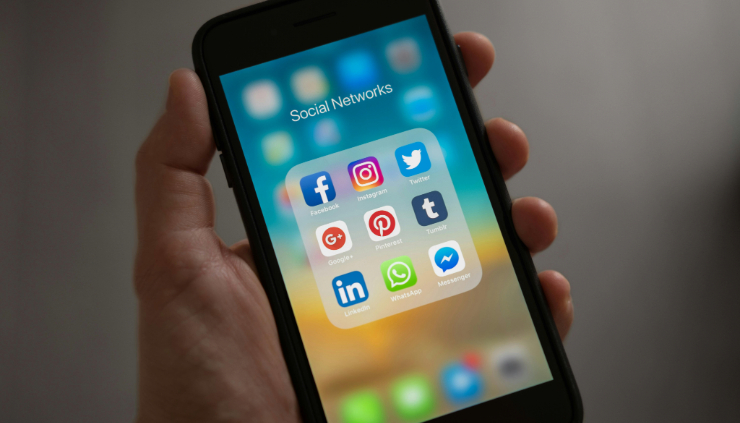
Social media platforms like Facebook, Instagram, TikTok, YouTube, and LinkedIn have revolutionised how brands communicate with their audiences. In contrast to the one-way nature of TV ads, social media offers dynamic two-way engagement, fine-tuned targeting, and real-time analytics.
Precision Audience Targeting
One of the defining strengths of social media advertising is its ability to micro-target specific user groups based on detailed metrics such as age, interests, online behaviour, location, and even past interactions. This level of granularity ensures that your ad spend is going directly to people who are most likely to take action.
Interactive and Shareable Content
Unlike TV, where engagement is passive, social media enables users to interact with content immediately, through comments, shares, likes, or direct messages. Platforms like Instagram and TikTok encourage creativity, allowing brands to produce interactive campaigns using features like polls, stories, influencer partnerships, and live streams.
Budget Flexibility and Performance Analytics
Social media campaigns are ideal for businesses of all sizes due to their flexible cost structures. Whether you’re working with £500 or £50,000, platforms allow you to tailor campaigns to your available budget. Additionally, advertisers benefit from instant access to performance data, enabling them to optimise content, targeting, and spend on the fly for maximum ROI.
Limitations of Social Media Advertising
While effective, social media advertising is not without its limitations.
- The oversaturation of ads can lead to banner blindness, where users quickly scroll past branded content.
- Trust can also be an issue, particularly with poorly executed or overly intrusive ads.
- Algorithms frequently change, which can affect reach and engagement unpredictably if not closely monitored.
TV Advertising Benefits vs. Social Media: A Comparative Breakdown
When evaluating the two platforms, several key differentiators stand out:
Audience Reach
Television excels at reaching broad and diverse audiences quickly, making it ideal for major product launches or national awareness campaigns. Social media, on the other hand, offers highly specific reach, allowing brands to focus on niche markets and personalise messaging accordingly.
Engagement Style
TV advertising offers powerful visual storytelling but remains largely passive in terms of viewer interaction. In contrast, social media thrives on real-time engagement, with platforms encouraging user participation, feedback, and viral sharing. The latter can lead to stronger immediate brand interaction, especially among younger audiences.
Conversion Tracking
TV advertising contributes to long-term brand building and trust, but conversions are harder to directly attribute. Social media enables direct calls to action, from swipe-up links to “Shop Now” buttons, making it easier to drive measurable results like sales, lead generation, and web traffic.
Case Studies: Successful Blended Strategies
Many of the world’s most successful campaigns have been those that merged the storytelling power of TV with the reach and agility of digital platforms.
1. Old Spice: TV Meets Social Media Virality
Old Spice’s now-iconic “The Man Your Man Could Smell Like” began as a TV commercial but exploded online thanks to clever scripting, fast-paced humour, and a massive social media amplification strategy. The campaign used YouTube and Twitter to personally engage fans, turning a single advert into a global brand revitalisation.
2. Nike: Combining TV with Digital Influence
Nike often launches its largest campaigns on TV during major sporting events, leveraging its emotional appeal and global visibility. These TV spots are then supported by digital content, from behind-the-scenes footage on Instagram to motivational storytelling on YouTube, ensuring continuous engagement across platforms. With a hybrid strategy that leverages TV’s emotional appeal and social media’s direct engagement.
3. Coca-Cola: Interactive Social Campaigns Following TV Launches
Coca-Cola has repeatedly succeeded by pairing strong TV campaigns with interactive social media follow-ups. Campaigns like #ShareACoke encouraged viewers to take part in the brand’s story by sharing personalised bottles on Instagram, boosting both user-generated content and social buzz while reinforcing the TV ad’s core message.
Choosing the Right Platform for Your Brand
When deciding between TV and social media advertising, it’s essential to evaluate your specific business needs and goals.
If your priority is wide-reaching brand exposure and emotional resonance, especially for established or legacy brands, TV offers unmatched impact.
If you’re focused on cost efficiency, audience targeting, and real-time feedback, particularly for launching new products or testing campaigns, social media offers the advantage.
Budget plays a central role. TV requires a higher initial investment, while social media allows for incremental, performance-based spending. Audience demographics should also be considered: older audiences may respond more strongly to television, while younger generations often engage more through digital platforms.
The Power of Integration
Rather than viewing TV and social media as competing options, the most effective approach often lies in integrating both into a cohesive marketing strategy. Each platform amplifies the strengths of the other: TV builds brand trust and memorability, while social media sustains engagement and drives immediate action.
By synchronising campaigns across both platforms, brands benefit from multi-channel consistency and increased reach — meeting customers where they are and moving them smoothly from awareness to conversion.
Let’s Create Video That Delivers Across Every Platform
At Impress Video, we help businesses produce compelling visual campaigns that work across both traditional and digital media. Whether you’re planning a national TV commercial or a targeted social media video strategy, our expert team will guide you from concept through execution.
Let’s create content that doesn’t just look good, but actually delivers results. Get in touch today here to discuss your next campaign. We produce video that impresses.