
A Clear Breakdown of Pricing, Factors, and Budget Considerations
Corporate videos are one of the most effective tools businesses use to communicate who they are, what they do, and why they matter. From brand films and company profile videos to internal communications and recruitment content, corporate video production plays a central role in modern marketing and brand strategy.
One of the most common questions we hear is: how much do corporate videos actually cost?
The short answer is that prices typically range between £3,000 and £30,000, but the real answer depends on several important factors.
In this guide, we’ll break down the true cost of corporate videos, explain what influences pricing, and help you understand how to get the most value from your budget. Before diving into costs, let’s quickly revisit why corporate videos remain such a valuable investment.

Why Corporate Videos Matter More Than Ever
Corporate videos help businesses show, not just tell, what they do. They bring your brand to life by showcasing your people, your environment, your values, and your expertise in a way that text and static images simply can’t.
A well-produced corporate video can:
- Increase brand awareness and credibility
- Improve understanding of your products or services
- Support recruitment and employer branding
- Strengthen investor and stakeholder communications
- Improve SEO performance when optimised for video search and YouTube
In 2026, corporate videos are no longer “nice to have”; they are expected. Audiences want transparency, authenticity, and clarity, and video delivers all three.
What Influences the Cost of a Corporate Video?
The price of a corporate video isn’t fixed because every project is different. Below are the key factors that typically influence the final cost.
1. The Video Production Company You Choose
The experience and expertise of your video production company have a significant impact on cost, and on results.
An experienced agency with a strong corporate video portfolio can often deliver better outcomes with fewer resources. Clear processes, strong creative direction, and efficient workflows reduce the need for excessive revisions or reshoots, ultimately saving time and budget.
Less experienced teams may appear cheaper upfront, but unclear creative direction or limited technical knowledge can lead to additional editing rounds, inconsistent messaging, or compromised quality. In many cases, that ends up costing more in the long run.
In 2026, many brands prioritise production partners who understand both video storytelling and marketing performance, ensuring the video works across platforms, not just looks good.
2. Location and Logistics
Many corporate videos are filmed on-site at company offices, which helps keep costs manageable. However, some projects require additional locations, studios, or exterior filming to better support the narrative.
Location choices can affect costs through: studio hire fees, travel and accommodation for crew, permits or location access fees, and any other additional setup time.
The more locations involved, the more planning, crew hours, and logistics are required. That doesn’t mean multiple locations should be avoided, only that they should be used strategically to support the story.
3. Pre-Production: Scripting, Concept & Storyboarding
Before filming begins, a significant amount of work happens behind the scenes. This development phase often includes research, creative treatments, scripting, and storyboards or mood boards.
During this stage, the production team aligns the video with your brand tone, audience, objectives, and messaging. Visual references, pacing, colour palettes, music styles, and filming approaches are defined so there are no surprises later on.
Although it’s not always visible, this stage is critical. By the time filming begins, a substantial portion of the creative thinking, and budget, has already been invested. Strong pre-production ensures smoother shoots, fewer revisions, and a more effective final video.
4. Filming and Post-Production
Filming costs depend on the scale of the shoot and the level of technical complexity required. Camera equipment, lighting setups, sound recording, crew size, and shoot duration all play a role.
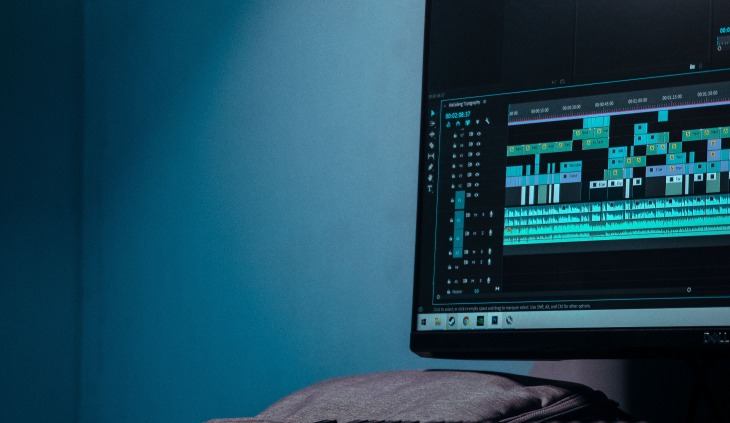
Post-production then brings everything together. Editing, colour grading, sound design, music licensing, animation, graphics, subtitles, and multiple exports for different platforms all affect the final price.
In 2026, most corporate videos are created with multi-channel use in mind, meaning versions may be required for websites, presentations, social media, internal platforms, and paid advertising. Planning for this early helps control costs and maximise reach.
Key Considerations When Setting Your Corporate Video Budget
Brand Positioning
Your corporate video should reflect how you want your brand to be perceived. If you operate in a premium or highly competitive market, audiences will expect a certain level of production quality.
A lower budget doesn’t automatically mean poor quality, but it does mean choosing the right creative approach and production partner. Working with an experienced team like us (AKA: Impress Video), ensures your video supports your brand positioning rather than undermining it.
Practical Tips to Control Costs
To get the most from your investment:
- Use a reference video to get a quick estimate and to clarify expectations early.
- Be transparent about your budget so ideas are realistic.
- Stay open to creative alternatives that may achieve the same goal more efficiently.
- Plan ahead to avoid last-minute changes.
Clear communication between client and production team is one of the most effective ways to keep costs under control.
How to Determine the Right Price for Your Corporate Video
Pricing a corporate video can be challenging due to the unique nature of each project. However, asking the right questions helps define a realistic budget:
- What is the primary objective of the video?
Where will it be used?
What level of production quality is required?
Will animation, graphics, or voiceover be needed?
Are advanced techniques such as 3D animation involved? (Note that advanced 3D animation techniques can significantly increase costs.)
By answering these questions and collaborating with an experienced production team, you can create a corporate video that meets your goals while making smart use of your budget.
Corporate video pricing varies because no two projects are the same. However, understanding what drives costs puts you in control of your investment and helps you make informed decisions.
We hope this guide has helped clarify how much corporate videos cost and what influences pricing. If you’re planning a corporate video and want expert guidance, we’re always happy to help.
Thank you for reading, Gurmit
Contact Impress Video now
If you’re looking to produce a corporate video with experienced video production and marketing professionals, we can help. At Impress Video, we create high-quality corporate films that communicate clearly, perform across platforms, and leave a lasting impression.
Don’t hesitate to get in touch — we’d love to hear about your project.