
Inside the YouTube Algorithm: How Content is Prioritised
YouTube’s algorithm continues to evolve alongside new technologies, viewing habits, and content formats. Understanding how the YouTube algorithm works is no longer just useful – it’s essential if you want your videos to be seen, recommended, and actually perform.
For creators and businesses, visibility today depends on more than just uploading content. It’s about understanding how YouTube evaluates videos, how users interact with them, and how the platform decides what to show next.
With a clearer view of what happens behind the scenes, you can create more targeted, strategic content that not only reaches your audience but keeps them engaged. In this blog, we’ll break down how the YouTube algorithm works and what you should focus on to improve your results.
How YouTube Algorithm Truly Works
The YouTube algorithm has come a long way. What started as a system focused mainly on clicks and views has developed into a highly sophisticated, machine-learning-driven engine.
Today, the platform is built around personalisation. Each user sees a different version of YouTube based on their behaviour, interests, and viewing patterns. The algorithm’s goal is simple: keep users watching content they enjoy for as long as possible.
Rather than prioritising raw numbers, the algorithm now focuses heavily on viewer satisfaction and experience. That means it looks at how people interact with your content, how long they stay, and whether they continue watching more videos afterwards.
In other words, it’s no longer just about getting clicks – it’s about delivering value.

7 Core Elements of the YouTube Algorithm
1. User Engagement and Interaction Signals
Engagement still plays a central role, but the algorithm has become more selective in how it interprets it. Likes, comments, shares, and subscriptions all matter – but meaningful interaction carries more weight than simple actions.
For example, comments that generate conversation, or videos that lead to new subscribers, signal stronger value than passive engagement. The platform is increasingly focused on how deeply users interact with your content, not just how often.
2. Watch Time and Viewer Satisfaction
Watch time remains one of the strongest ranking signals. The longer people stay on your video, the more valuable it appears to the algorithm.
However, this now goes hand in hand with viewer satisfaction. YouTube analyses behaviour such as whether users continue watching, click on another video, or leave the platform. It also gathers feedback through surveys and interaction signals.
The key shift here is clear: it’s not just about keeping attention – it’s about meeting expectations.
3. User Behaviour and Personalisation
The algorithm is highly personalised. It studies each user’s watch history, searches, and interaction patterns to predict what they are most likely to enjoy next.
This means your content isn’t competing globally – it’s competing within specific audience segments. The better your content aligns with a particular viewer’s interests, the more likely it is to be recommended.
For businesses, this highlights the importance of clearly defined audiences and consistent content themes.
4. Content Freshness and Trends
New and relevant content continues to perform well, especially when it quickly captures attention. YouTube tends to test new uploads with small audiences first, then expand reach if performance is strong.
Staying consistent and aligned with current trends helps signal activity and relevance. However, consistency should never come at the expense of quality – both need to work together.
5. Metadata and Optimisation
Metadata helps YouTube understand what your content is about. Titles, descriptions, tags, and thumbnails all contribute to how your video is categorised and recommended.
Clear, relevant, and keyword-focused metadata improves discoverability. At the same time, it’s important to avoid misleading titles or thumbnails, as these can negatively affect viewer satisfaction and long-term performance.
6. Click-Through Rate (CTR)
CTR measures how often people click on your video when they see it. A strong thumbnail and title can significantly improve this.
However, CTR alone is not enough. If users click but don’t stay, performance will drop. The algorithm looks at CTR alongside watch time and engagement to determine overall value. The balance is key: attract attention, but also deliver on what you promise.
7. The Rise of Short-Form and Multi-Format Content
One important evolution worth highlighting is the growth of short-form content, particularly YouTube Shorts. The algorithm now operates across multiple formats, recommending both long-form and short-form videos depending on user behaviour.
For businesses, this creates an opportunity to diversify content strategies. Short-form videos can drive discovery, while long-form content builds deeper engagement and authority. Using both formats together often leads to stronger overall channel performance.
Tips for Optimising Videos for YouTube
Now that you understand how the YouTube algorithm works, here are some practical ways to align your content with it.
1. Focus on real engagement. Encourage interaction by asking questions, replying to comments, and building a community around your content. Engagement should feel natural, not forced.
2. Prioritise quality and relevance. Good production, clear messaging, and strong storytelling all contribute to better retention. Just as important is creating content your audience actually wants to watch.
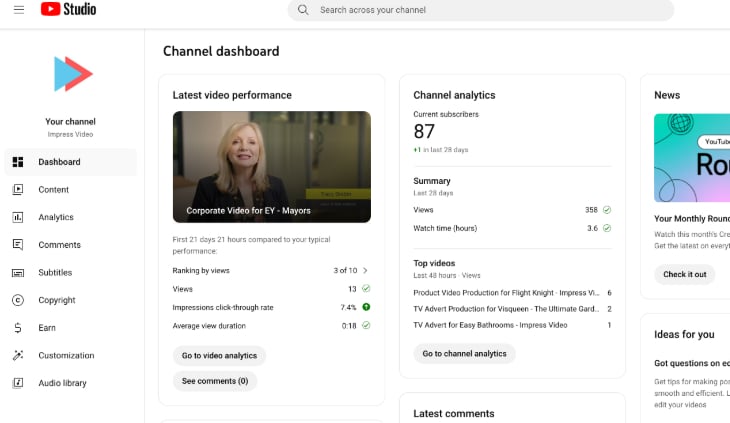
3. Use data to guide decisions. Tools like YouTube Analytics give valuable insights into viewer behaviour, demographics, and performance. Use this data to refine your strategy over time.
4. Optimise your metadata properly. Make sure your titles, descriptions, and tags clearly reflect your content and include relevant keywords. This improves both discoverability and user experience.
5. Stay consistent. Uploading regularly helps signal activity to the algorithm and keeps your audience engaged. Consistency builds momentum over time.
6. Think beyond one platform. Promoting your videos across other channels – such as social media or websites – can drive additional traffic and improve performance signals.
Optimise the video content for all types of devices, making sure it can be viewed correctly on smartphones, computers and tablets.
Final Thoughts
The YouTube algorithm has become more advanced, but its core objective remains the same: recommend content that keeps users engaged and satisfied.
For businesses and creators, success comes from understanding this balance between performance data and user experience. When your content delivers real value, aligns with audience interests, and is structured strategically, the algorithm works in your favour.
If you take the time to understand how it operates and apply these principles consistently, you’ll be in a much stronger position to grow your presence and achieve better results on YouTube.
Contact Impress Video now
Do you want to do a Social Media Video for your business? Here at Impress Video, you will be able to do so with video production and marketing professionals. We make video production for businesses, the ones that impress. Don’t hesitate to contact us here!