
Efficient Video Budgeting: A How-To Guide
Video budgeting is the first and most critical step before starting any production, as it directly influences decisions such as location, production scale, timelines and post-production complexity. As video production continues to evolve, new technologies and formats are creating both opportunities and additional considerations that need to be reflected in how budgets are planned.
Having a well-structured budget does more than control costs – it ensures the financial viability of the project while maintaining the level of quality your brand requires. For this reason, this guide will walk you through the key elements of video budgeting and how to approach them strategically, helping you allocate resources effectively and avoid unnecessary expenses.
Why is Video Budgeting Important?
Video remains one of the most effective ways to reach and engage your target audience while strengthening brand awareness. As demand for high-quality content continues to grow across digital platforms, expectations around production value have increased significantly.
Because video production involves multiple stages and specialised resources, costs can escalate quickly without proper planning. A clear budgeting strategy allows you to prioritise what truly matters, ensuring that your investment is focused on elements that directly impact performance, rather than overspending in areas that add limited value.
Ultimately, strong video budgeting is not about reducing costs – it’s about making informed decisions that maximise return on investment.
Components of Video Budgeting
Before allocating a budget, it is essential to understand the core components that make up any video production. Each phase contributes differently to the final result, and overlooking one can affect both quality and efficiency.
1. Pre-Production Costs
Pre-production lays the foundation for the entire project. This stage includes scriptwriting and storyboarding, where ideas are translated into a clear visual plan. Location selection is another key factor, as fees and logistics can vary significantly depending on where filming takes place. Casting is also included here, whether that involves actors, presenters or influencers representing your brand.
A well-planned pre-production phase often reduces unnecessary costs later by ensuring clarity and alignment from the start.
2. Production Costs
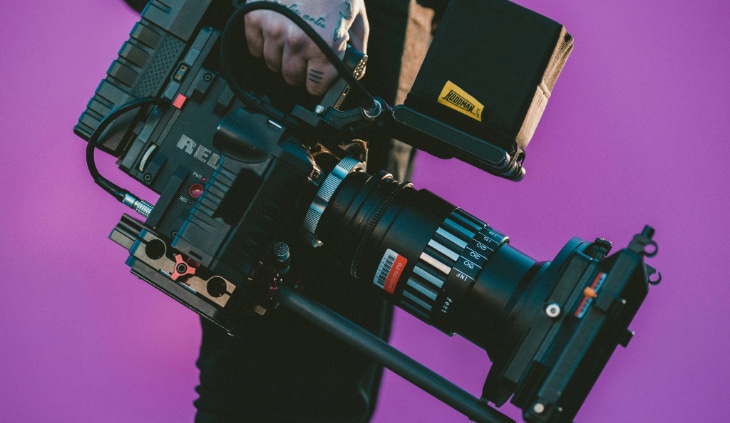
Production is where the planning becomes reality. This stage includes the crew – directors, camera operators, sound engineers – as well as the equipment required, such as cameras, lighting and audio systems.
Rather than hiring multiple freelancers individually, many businesses choose to work with a video production company that manages this entire process. This not only simplifies coordination but often improves efficiency and consistency across the project.
Set design, wardrobe and makeup also play a role here, particularly for branded or campaign-driven content where visual identity is important.
3. Post-Production Costs
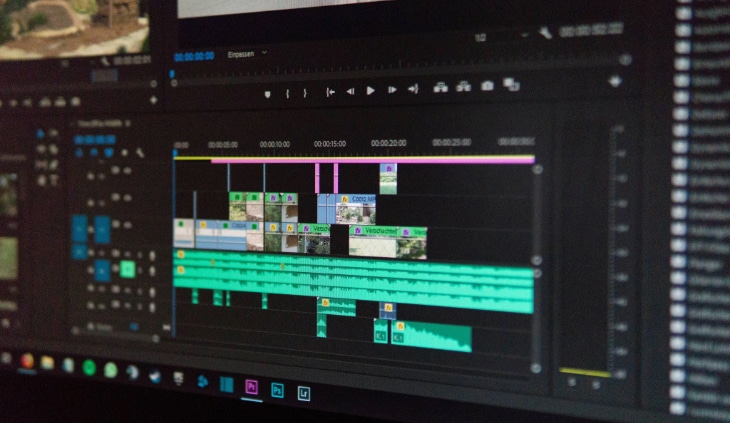
Post-production is where the final quality of the video is defined. This stage includes editing, colour grading, sound design and, if required, animation or visual effects.
Music licensing and audio refinement are also essential considerations, as they directly influence how professional and polished the final piece feels. Investing appropriately in post-production ensures that the content aligns with your brand and delivers the intended impact.
4. Marketing and Communication Costs
A common oversight in video budgeting is underestimating distribution. Creating the video is only part of the process – ensuring it reaches the right audience is equally important.
Depending on your strategy, this may include paid advertising, platform-specific optimisation or campaign amplification. While platforms like YouTube or Vimeo (wondering which one is best for your videos?) may involve hosting considerations, the real investment often lies in promoting the content effectively.
Guide to Effective Video Budgeting
1. Defining Video Objectives
Every successful video starts with a clear purpose. Whether the goal is brand awareness, lead generation, training or product promotion, defining this early ensures that the budget is aligned with the intended outcome.
The clearer the objective, the easier it becomes to allocate resources where they will have the greatest impact.
2. Research and Forecast Costs
Accurate budgeting requires research. Gathering quotes from production companies, freelancers or vendors helps establish realistic expectations. At the same time, understanding standard industry costs prevents underestimating or overcommitting your budget. This stage provides the clarity needed to make confident financial decisions.
3. Creating Detailed Budgeting Structure
Breaking your budget into clear categories – pre-production, production, post-production and distribution – allows for better control and visibility.
Using tools such as Microsoft Excel or Google Sheets can help track expenses, identify patterns and adjust allocations when needed. A detailed structure also reduces the risk of unexpected overspending.

4. Allocating Funds Strategically
Not all elements of a video have the same impact. Prioritising areas such as storytelling, lighting and sound quality will usually deliver better results than overspending on less critical aspects.
It is also advisable to include a contingency fund – typically around 10–15% of the total budget – to account for unexpected changes during production.
5. Monitor and Adjusting Throughout the Process
Budgeting does not end once production begins. Monitoring expenses in real time ensures that the project stays on track and allows for adjustments if needed. Comparing estimated versus actual costs helps maintain control and improves budgeting accuracy for future projects.
6. Practical Considerations for Video Budgeting
With the rise of new technologies, budgeting tools and AI-driven solutions can support planning and forecasting, making the process more efficient. However, technology should support decisions – not replace strategic thinking.
Negotiating rates and choosing partners that align with your goals and working style can also make a significant difference. The right collaboration often delivers better results than simply choosing the lowest cost option.
For smaller projects, using internal resources or even smartphones can be a practical solution. However, as soon as video becomes a key part of your marketing strategy, investing in professional production ensures consistency, quality and long-term value.
A Strategic Approach to Video Budgeting
Effective video budgeting is ultimately about balance – aligning creative ambition with financial reality while ensuring that every investment contributes to a clear objective.
Understanding the production process allows you to plan realistically, avoid unnecessary costs and focus on what truly drives results. Rather than viewing budgeting as a limitation, it should be seen as a framework that enables better decision-making and stronger outcomes.
When approached strategically, video budgeting becomes a powerful tool to maximise the impact of your content and support your wider marketing goals.
Contact Impress Video
If you’re planning a video project and want to ensure your budget is used effectively from the start, working with an experienced production team can make all the difference.
At Impress Video, we help businesses plan, produce and deliver video content that balances creativity, quality and efficiency. Don’t hesitate to get in touch, we’ll help you make every part of your video investment count.